current location : home

Achieving "Zero Impurities" in Food & Pharma How to Choose the Right Magnetic Separators

Introduction


In the food and pharmaceutical industries, tiny ferrous metal impurities from machinery abrasion and raw material contamination are major compliance and safety hazards. These micro contaminants easily trigger product disqualification, GMP audit failures, and costly brand losses. Achieving reliable zero impurity magnetic filtration relies entirely on selecting a professional food pharma magnetic separator. Different types of magnetic separators including Belt Permanent Magnetic Separator, Drawer Magnetic Separator, Magnetic Grate,Pipeline Magnetic Separator and Magnetic Liquid Trap fit completely different production links. This article summarizes production pain points, equipment differences, core advantages and selection tips to help factories implement standardized hygienic magnetic separation for stable compliant production.
 

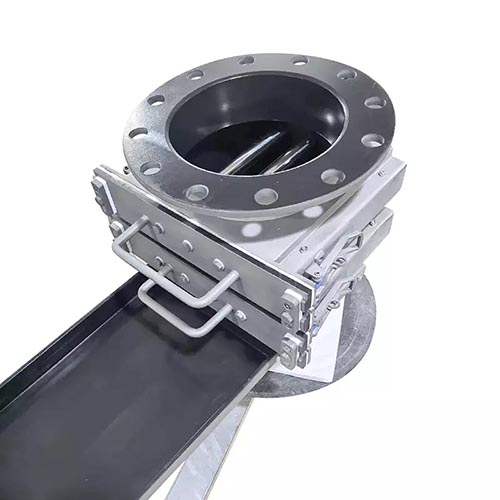
Drawer Magnetic Separator


1. Critical Industry Pain Points in Food & Pharma Metal Removal


Most food and pharma manufacturers struggle with incomplete metal removal and hygiene risks in daily production. Many factories only equip a single type of magnetic separator, causing serious matching errors. Traditional equipment cannot support effective fine metal contaminant removal, leaving micron-scale iron powder and wear debris undetected and causing unqualified batches. Non-standard equipment lacks hygienic structure, forming cleaning dead corners that lead to material accumulation and secondary pollution, failing GMP and food safety audits. Conventional filters deliver unstable magnetism and low efficiency, unable to meet strict zero-impurity standards. Improper equipment matching also causes frequent shutdowns, raising labor costs and lowering overall output efficiency.


2. Mainstream Magnetic Separator Types & Application Differences


Food and pharmaceutical production includes solid powder, granular materials, liquid materials and bulk conveyor materials. Each scenario requires a targeted GMP compliant magnet separator. The five most widely used hygienic models are Belt Permanent Magnetic Separator, Pipeline Magnetic Separator, Drawer Magnetic Separator, Magnetic Grate, and Magnetic Liquid Trap. Each type has unique structural advantages and applicable working conditions for accurate zero impurity magnetic filtration and hygienic magnetic separation, solving different metal contamination pain points in food and pharma production lines.


2.1 Belt Permanent Magnetic Separator


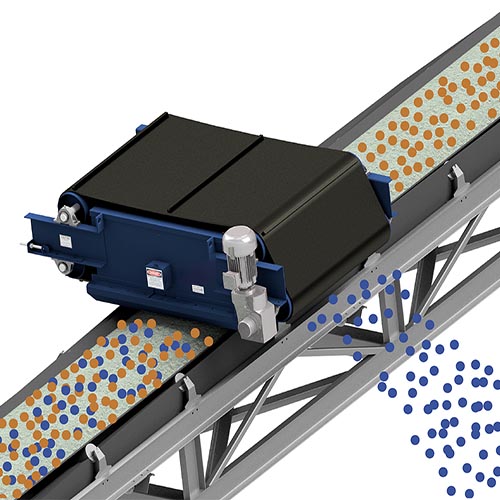
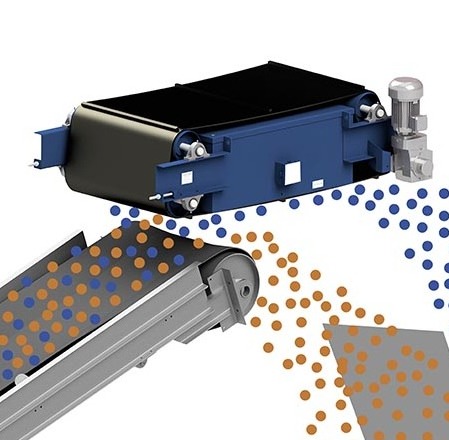
Belt Permanent Magnetic Separators are designed for large-volume bulk material conveying lines. Featuring automatic iron removal and self-cleaning functions, they can continuously adsorb and discharge large iron blocks, iron nails and mechanical wear debris without manual cleaning. It is widely installed above conveyor belts for raw material pre-filtering, suitable for grain, flour, raw sugar and bulk food raw material pretreatment.


2.2 Drawer Magnetic Separator


Drawer Magnetic Separators are the most classic high precision magnetic filter for powder and granular material fine filtration. Multi-layer magnetic tube arrangement forms a high-density magnetic field, which can capture micron-level fine iron powder. The pull-out drawer structure enables fast disassembly and thorough cleaning without dead corners, fully complying with GMP hygiene standards. It is the mainstream equipment for pharmaceutical powder, milk powder, seasoning and fine food processing.


2.3 Magnetic Grate


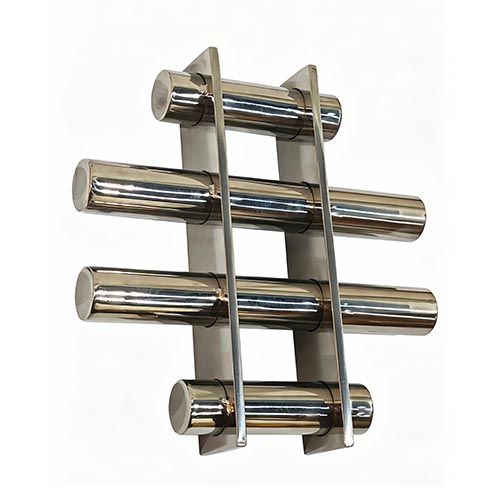
Magnetic Grate adopts simple grid magnetic tube combination, installed in hoppers, silos and discharge ports. It is low-cost, easy to install and suitable for preliminary impurity removal of conventional materials. It mainly removes medium and large iron particles and is often used as primary filtration before fine magnetic separation.


2.4 Pipeline Magnetic Separator


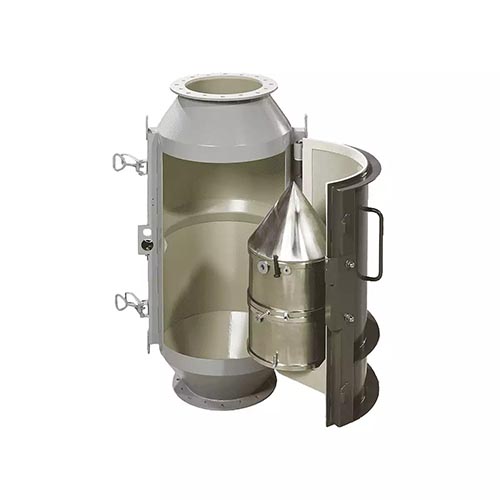
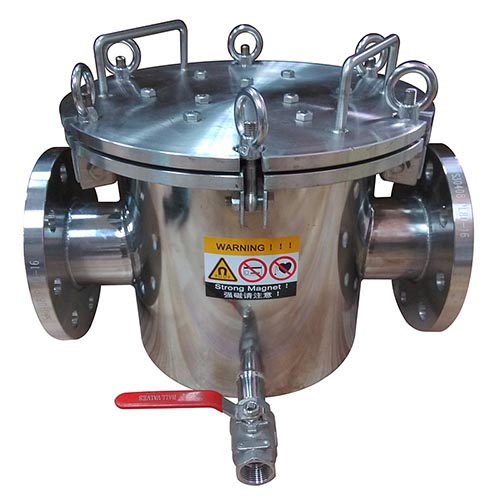
Pipeline Magnetic Separator is a universal inline magnetic filtering device installed directly on material conveying pipelines, suitable for both semi-fluid granular materials and low-viscosity liquid materials. It features fully sealed pipeline integration, no material leakage, no dust accumulation and no sanitary dead corners. With medium and high magnetic strength design, it can remove medium and fine ferrous impurities in continuous conveying materials, balancing filtration efficiency and production continuity. It is widely used for inline impurity removal in grain processing, food seasoning and general pharmaceutical pipeline transmission lines.


2.5 Magnetic Liquid Trap 


Magnetic Liquid Trap is specially developed for liquid fluid materials such as syrup, beverage, edible oil and pharmaceutical liquid. The fully sealed pipeline structure has no material leakage and no sanitary dead corners. It can efficiently remove fine iron impurities in flowing liquid, ensuring liquid product clarity and qualification rate, and is a necessary hygienic facility for liquid food and pharmaceutical production lines.


3. Performance & Application Comparison Table


This table intuitively distinguishes the five mainstream magnetic separators to help engineers and purchasers complete rapid and accurate food pharma magnetic separator selection.


Separator Model

Main Material Type

Filtration Precision

Cleaning Method

Core Application Scenarios

Belt Permanent Magnetic Separator

Bulk solid materials

Large iron debris removal

Automatic self-cleaning

Grain, flour, raw material conveyor line pre-filtering

Drawer Magnetic Separator

Powder & fine granules

Ultra-fine powder removal

Pull-out manual quick clean

Pharmaceutical powder, milk powder, additives, fine food

Magnetic Grate

General solid materials

Medium & large particles

Manual regular cleaning

Hopper, silo, discharge port primary filtration

Pipeline Magnetic Separator

Semi-fluid & pipeline materials

Medium & fine iron particles

Online disassembly cleaning

Food pipeline conveying, grain semi-fluid processing

Magnetic Liquid Trap

Low-viscosity liquid materials

Micro liquid iron impurities

Full disassembly sanitary cleaning

Beverage, syrup, edible oil, pharmaceutical liquid


4. Professional Zero-Impurity Selection Guidelines


To achieve stable zero-impurity production, manufacturers must select a matched food pharma magnetic separator according to production processes. Bulk raw material conveyor lines adopt Belt Permanent Magnetic Separators; pipeline semi-fluid conveying lines are equipped with Pipeline Magnetic Separators; powder and fine particle workshops prioritize Drawer Magnetic Separators as the core high precision magnetic filter; low-viscosity liquid production lines must install Magnetic Liquid Traps; conventional silo feeding ports are equipped with Magnetic Grates for primary protection. All selected equipment must be GMP compliant magnet separator certified, adopting fully sealed structures to support long-term, stablehygienic magnetic separation and consistent zero impurity magnetic filtration results with minimal downtime.


FAQ


Q1: What is the difference between drawer separator and magnetic grate?

A1: Magnetic Grate is simple in structure, suitable for primary coarse filtration of large impurities. Drawer Magnetic Separator adopts multi-layer dense magnetic tubes, featuring higher precision and dead-corner-free quick cleaning, which is professional high precision magnetic filter for fine powder fine metal contaminant removal and GMP workshop production.


Q2: Is belt permanent magnetic separator suitable for powder production? 

A2: No. Belt Permanent Magnetic Separator is only for large-volume bulk solid conveyor lines to remove large iron blocks and iron scraps. It cannot capture ultra-fine iron powder. Powder workshops must use Drawer Magnetic Separator for high-precision purification.

Q3: Can multiple magnetic separators be used in combination?

A3: Yes. The best zero-impurity solution is graded multi-equipment matching: Magnetic Grate + Belt Separator for front coarse filtration, Pipeline Magnetic Separator for inline medium-fine impurity removal, Drawer Magnetic Separator for powder high-precision fine filtration, and Magnetic Liquid Trap for ultra-precise liquid purification. The combined solution ensures full-link hygienic magnetic separation and stable GMP compliance.
...

Corrosion Resistant Magnetic Drive Wheel Solve Your Corrosion & Wear Pain Points Efficiently

Introduction: The Hidden Cost of Traditional Magnetic Drive Wheels in Corrosive Environments

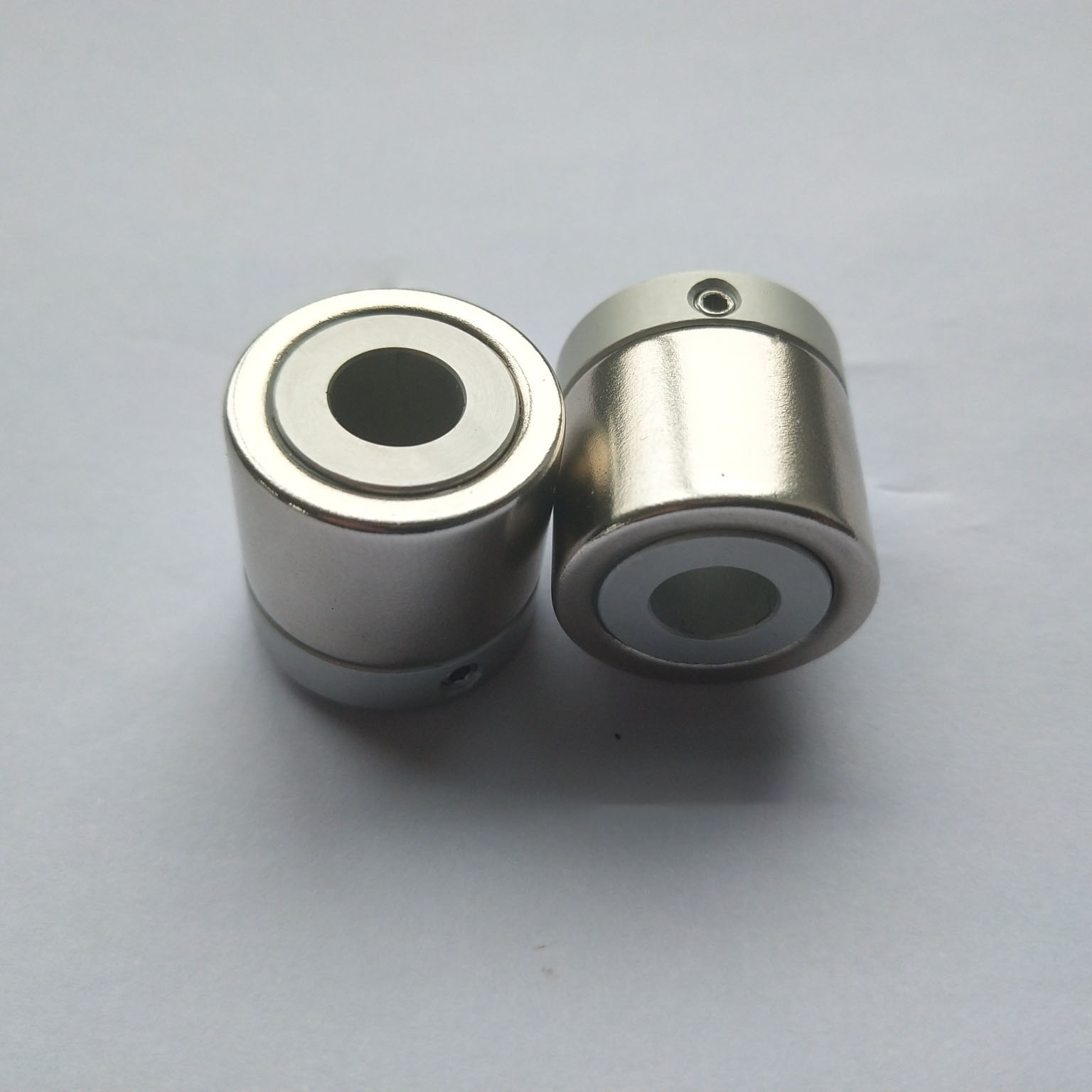
In industrial environments—whether chemical plants, underwater operations, or wastewater treatment facilities—magnetic drive wheels are core components that ensure smooth power transmission. However, traditional magnetic drive wheels often fail to withstand the erosion of corrosive media such as acids, alkalis, and saltwater, leading to frequent replacement, high maintenance costs, and unexpected production shutdowns. These issues not only increase operational expenses but also disrupt production schedules, becoming a major bottleneck for enterprises pursuing efficiency. This is where the Corrosion Resistant Magnetic Drive Wheel comes in, designed to target these pain points and deliver long-lasting, stable performance that redefines industrial transmission reliability. As a professional solution for harsh environments, our Corrosion Resistant Magnetic Drive Wheel integrates durability and efficiency, and its High Efficiency Magnetic Drive ensures seamless power transfer, becoming the first choice for enterprises seeking to reduce costs and increase efficiency. Crafted with premium 316L Stainless Steel Magnetic Wheel casing, it stands out in harsh corrosive conditions.

Key Pain Points of Traditional Magnetic Drive Wheels (And How We Solve Them)

The biggest pain point of traditional magnetic drive wheels is their poor corrosion resistance: ordinary magnetic materials and casings are easily oxidized and corroded when in contact with corrosive fluids or humid environments, with an average service life of only 3-6 months. Frequent replacement not only consumes a lot of manpower and material resources but also leads to unplanned production downtime, causing huge economic losses. In contrast, our Corrosion Resistant Magnetic Drive Wheel adopts 316L marine-grade stainless steel casing and epoxy resin encapsulated neodymium-iron-boron magnets, effectively isolating corrosive media from internal components. This 316L Stainless Steel Magnetic Wheel design not only extends the service life to 24-36 months (8 times longer than traditional products) but also eliminates the need for frequent disassembly and maintenance, greatly reducing labor and replacement costs for enterprises. What’s more, the High Efficiency Magnetic Drive design ensures that power transmission is not affected by corrosion, maintaining stable and efficient operation even in harsh conditions, which is a key advantage of our Corrosion Resistant Magnetic Drive Wheel.

Data Comparison: Corrosion Resistant Magnetic Drive Wheel vs. Traditional Products

To help you clearly see the advantages of our Corrosion Resistant Magnetic Drive Wheel, here is a detailed data comparison with traditional magnetic drive wheels, so you can intuitively understand the value of our product in solving pain points and creating benefits—especially the advantages of our 316L Stainless Steel Magnetic Wheel and High Efficiency Magnetic Drive:

Performance Indicator

Traditional Magnetic Drive Wheel

Corrosion Resistant Magnetic Drive Wheel

Improvement Rate

Service Life

3-6 months

24-36 months

700%-800%

Corrosion Resistance (Acid-Alkali Test)

Severe corrosion after 72 hours

No corrosion after 1000 hours

≥99%

Maintenance Frequency

Once every 1-2 months

Once every 12 months

Reduce by 80%

Transmission Efficiency

85%-90%

95%-98%

Improve by 6%-13%

Core Advantages: Why Choose  Corrosion Resistant Magnetic Drive Wheel?

In addition to excellent corrosion resistance, the Corrosion Resistant Magnetic Drive Wheel also maintains high magnetic penetration and transmission stability, which is closely related to optimized design and high-quality materials. The 316L Stainless Steel Magnetic Wheel casing has strong anti-corrosion and anti-wear performance, which can adapt to various harsh industrial environments—far superior to ordinary magnetic wheel casings. Unlike traditional products that lose magnetic force in humid or corrosive environments, The Corrosion Resistant Magnetic Drive Wheel uses optimized magnetic circuit design, ensuring that the magnetic force remains stable even when there is a small gap caused by biofouling or coatings. This means it can be widely used in underwater robots, chemical equipment, and other harsh scenarios, providing reliable power transmission without leakage or failure—another key benefit that solves the "unstable operation" pain point of traditional products. Moreover, our High Efficiency Magnetic Drive technology ensures that the product maintains high transmission efficiency while being corrosion-resistant, helping enterprises improve production efficiency while reducing costs, making the Corrosion Resistant Magnetic Drive Wheel a cost-effective choice.


Epilogue

Whether you are struggling with frequent replacement of magnetic drive wheels due to corrosion, or facing high maintenance costs and production losses caused by component failure, our Corrosion Resistant Magnetic Drive Wheel is the optimal solution. Xiamen kings magnet Co., Ltd. has been deeply engaged in the magnetic industry for more than ten years, providing you with professional magnetic solutions. We are committed to the research and production of high-performance, high-precision, and high-difficulty products, truly meeting customers' maximum needs for product applicability, economy, and reliability!


FAQ (Frequently Asked Questions)

Q1: What scenarios are suitable for the Corrosion Resistant Magnetic Drive Wheel?

A: It is widely applicable to harsh industrial environments such as chemical processing, underwater robot operations, wastewater treatment, marine equipment, and pharmaceutical production. It can work stably in environments with corrosive media (acids, alkalis, saltwater) and high humidity, and is also suitable for high-cleanliness scenarios such as semiconductor manufacturing. The 316L Stainless Steel Magnetic Wheel and High Efficiency Magnetic Drive design make it adaptable to various complex working conditions, providing reliable power support for your production.

Q2: Is the Corrosion Resistant Magnetic Drive Wheel customizable according to actual needs?

A: Yes, we provide customized services. We can adjust the size, magnetic force, and coating material of the magnetic drive wheel according to your specific working conditions (such as corrosion intensity, temperature, and load requirements) to ensure that it perfectly matches your equipment and achieves the best transmission effect. Whether you need a 316L Stainless Steel Magnetic Wheel with specific specifications or a High Efficiency Magnetic Drive design adapted to special scenarios, we can meet your personalized needs.

...

How to Choose Magnetic Wheel for Wall Climbing Robot

How to Choose Magnetic Wheel for Wall Climbing Robot

The Right Magnetic Wheel Determines Robot Performance

Choosing the right Magnetic Wheel for Wall Climbing Robot is make-or-break for stable adhesion, safe operation, and long service life—but far too many engineers and manufacturers fall into costly pitfalls: weak adsorption force that makes robots slip mid-climb, poor surface adaptability that fails to grip curved steel walls, or excessive weight that drains power and shortens runtime. These issues don’t just delay projects—they hike maintenance costs, create safety hazards, and derail your robot’s performance. The solution? Focus on three core elements: High Adhesion Magnetic Wheel, Curved Surface Magnetic Wheel, and Lightweight Magnetic Wheel. These targeted solutions balance adhesion, adaptability, and portability, helping you avoid costly mistakes and unlock your wall climbing robot’s full potential.

Magnetic Wheel Performance Comparison Table

Wondering how different magnetic wheels stack up in real-world use? We’ve put together a data comparison table that breaks down key performance metrics for four common Magnetic Wheel for Wall Climbing Robot types. Use it to quickly pick the perfect fit for your scenario (test conditions: 10mm thick polished steel wall, room temperature, robot load 50kg).

Magnetic Wheel Type

Adhesion Force (N)

Curved Surface Adaptability (Curvature Radius ≥0.22m)

Weight (kg/unit)

Service Life (Hours)

Applicable Scenarios

Standard Magnetic Wheel (Ordinary Material)

120

Poor (Slippage Occurs)

0.8

2000

Flat Steel Walls, Light Load

High Adhesion Magnetic Wheel (NdFeB Material)

250

General (No Slippage)

1.1

3500

Heavy Load Inspection, High-Rise Steel Structures

Curved Surface Magnetic Wheel (Optimized Structure)

210

Excellent (Smooth Movement)

0.9

3000

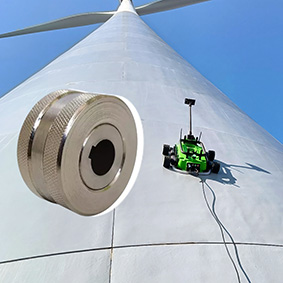
Curved Tanks, Wind Turbine Towers

Lightweight Magnetic Wheel (Aluminum Alloy Frame)

180

Good (Minor Adjustment Needed)

0.5

2800

Portable Robots, Long-Duration Operations

Tip 1: Prioritize High Adhesion Magnetic Wheel for Heavy Loads & Safety

First rule of Magnetic Wheel for Wall Climbing Robot selection: Prioritize a High Adhesion Magnetic Wheel for heavy-load or high-risk jobs. Weak adhesion is the #1 safety risk—if your magnetic wheel can’t deliver at least 1.5 times the robot’s total weight in adsorption force, it will slip, fall, and destroy equipment (or worse). A High Adhesion Magnetic Wheel, built with high-grade neodymium magnets and optimized magnetic circuits, delivers 200-300N of grip—enough to keep your robot stable even when fully loaded with inspection or repair tools. This fixes the “unreliable adhesion” pain point and gives you a critical benefit: safe, worry-free operation in high-altitude, heavy-load scenarios like petrochemical tank inspections or nuclear industry thickness measurements.


Tip 2: Choose Curved Surface Magnetic Wheel for Curved Structures

Second: Match your magnetic wheel to your working surface. If your robot operates on curved structures (think cylindrical tanks or wind turbine towers), a Curved Surface Magnetic Wheel is non-negotiable. Standard flat magnetic wheels fail here—they make poor contact, lose adhesion, and move erratically on curved walls. A Curved Surface Magnetic Wheel features an optimized arc design and adaptive magnetic circuit, ensuring full contact with curved surfaces and consistent grip even when the curvature radius is as small as 0.22m. This solves the “poor surface adaptability” headache and saves you money: one magnetic wheel for both flat and curved steel walls, no need to buy multiple types.


Tip 3: Opt for Lightweight Magnetic Wheel for Long Runtime & Portability

Finally, don’t sleep on a Lightweight Magnetic Wheel—especially if your robot needs long runtimes or portability. Overly heavy magnetic wheels add unnecessary weight, jacking up power consumption and cutting battery life (a top complaint for long-duration inspection robots). A Lightweight Magnetic Wheel uses a high-strength aluminum alloy frame and optimized magnet layout, slashing weight by 30-40% compared to standard wheels—without sacrificing adhesion. This fixes the “high power consumption, short runtime” pain point and delivers big benefits: longer battery life, lower energy costs, and easier installation and maintenance.

Xiamen kings magnet Co., Ltd. has been deeply engaged in the magnetic industry for more than ten years, providing you with professional magnetic solutions. Professional customized production of magnetic wheel,  Halbach magnetic components, climbing wall robot components, magnetic roller and other non-standard magnetic components! We are committed to the research and production of high-performance, high-precision, and high-difficulty products, truly meeting customers' maximum needs for product applicability, economy, and reliability!


FAQ (Frequently Asked Questions)

Q1: What’s the minimum adhesion force required for a Magnetic Wheel for Wall Climbing Robot?
A1: The minimum adhesion force should be 1.5-2 times the robot’s total weight (including load). For example, if your robot weighs 50kg (total weight with load), the magnetic wheel’s adhesion force should be at least 750N (4 units × 187.5N per unit) to ensure safe climbing without slipping, which is achievable with a High Adhesion Magnetic Wheel.

Q2: Can a Curved Surface Magnetic Wheel be used on flat walls?
A2: Yes—Curved Surface Magnetic Wheels are designed with adaptive structures that can also work on flat steel walls. They maintain good contact and adhesion, making them versatile for both flat and curved surfaces. This eliminates the need to purchase separate magnetic wheels for different surface types, saving costs.

Q3: Will a Lightweight Magnetic Wheel compromise adhesion force?
A3: No—high-quality Lightweight Magnetic Wheels use high-grade neodymium magnets and optimized magnetic circuit design to balance weight and adhesion. They are 30-40% lighter than standard magnetic wheels but still provide sufficient adhesion (180-200N per unit), meeting the needs of most portable and long-duration operation scenarios.

Q4: How to extend the service life of a Magnetic Wheel for Wall Climbing Robot?
A4: Choose magnetic wheels with corrosion-resistant surface treatment (e.g., nickel coating) to avoid rust in harsh environments; regularly clean the wheel surface to remove dust and debris that reduce adhesion; and avoid excessive load beyond the magnetic wheel’s rated adhesion force. High Adhesion and Curved Surface Magnetic Wheels typically have a longer service life (3000+ hours) due to their high-quality materials and optimized structure.

...

Safeguarding Drinking Water Understanding the Unseen Guest—Chlorate—and New Strategies for Comprehensive Control

Safeguarding Drinking Water: Understanding the Unseen Guest—Chlorate—and New Strategies for Comprehensive Control


In the ongoing mission to ensure drinking water safety, we battle not only natural microbial contaminants but also must be vigilant against unintended by-products formed during the disinfection process. Chlorate is one such by-product that has garnered significant attention. This blog will delve into what chlorate is and explore advanced technologies to control it at its source.


Chlorate: Why the Global Concern?

Chlorate is a compound formed when chlorine is in a highly oxidized state. It emerges as a potential disinfection by-product during water treatment and is facing increasingly strict scrutiny from regulators worldwide.


Research indicates that the health risks of chlorate cannot be ignored. It may:


Disrupt Thyroid Function: Inhibit the body's absorption of iodine (particularly in children and infants), affecting the normal synthesis of thyroid hormones.


Impact Blood Health: Potentially adversely affect the production of red blood cells.


Global Standards Vary, But the Consensus is Clear: Strict Control is Necessary

While the regulatory limits for chlorate in drinking water differ across the globe, reflecting local risk assessments and management strategies, the common trend is toward strict control:


World Health Organization (WHO) & China: 700 μg/L


U.S. Environmental Protection Agency (EPA): 210 μg/L (Health Reference Level)


European Commission: 250 μg/L


Canada: 1000 μg/L


Despite the varying standards, the message is unequivocal: the chlorate content in drinking water must be effectively managed.


Tracing the Source: Where Does Chlorate Come From?

While water disinfection is crucial for safety, chlorate is an "accidental byproduct" of this very process. Its primary source is the bulk storage of sodium hypochlorite disinfectant.


During storage, hypochlorite ions spontaneously degrade through the following reaction:

3ClO⁻ → ClO₃⁻ + 2Cl⁻


The rate of this process is heavily influenced by several factors:


Concentration: Higher initial concentrations of sodium hypochlorite lead to faster degradation.


Time: The longer the storage duration, the more chlorate is generated.


Temperature & Light: Elevated ambient temperatures and direct sunlight significantly accelerate the reaction.


pH Value: The acidity or alkalinity of the solution also affects the degradation kinetics.


The Solution: Shifting from Passive Storage to On-Site Generation

The traditional method of relying on purchased and stored sodium hypochlorite inevitably faces the issue of chlorate accumulation. Conventional measures to minimize its formation include reducing inventory turnover, storing at low temperatures in the dark, and procuring lower-concentration products. However, these methods often address the symptoms, not the root cause.


A more fundamental solution is adopting on-site electrolytic sodium hypochlorite generation technology. This method produces a low-concentration sodium hypochlorite solution on demand by electrolyzing salt water and immediately dosing it, thereby drastically reducing the storage  and suppressing chlorate formation at the source.


Comprehensive Advantages of On-Site Sodium Hypochlorite Generator:


Enhanced Safety: The on-site generated sodium hypochlorite is very dilute (approx. 0.8%), classifying it as a non-hazardous chemical, significantly reducing risks associated with transport, storage, and handling.


Significant Economic Benefits: The cost of self-generating sodium hypochlorite is often more advantageous than purchasing commercial bleach and helps avoid market price fluctuations.


Superior By-Product Control: The "generate-and-use-immediately" nature means hypochlorite has little time to degrade, resulting in exceptionally low chlorate levels.


Highly Reliable Supply Chain: The core raw materials are merely salt, water, and electricity, eliminating dependence on complex chemical supply chains and ensuring the autonomy and continuity of the plant's disinfection process.


Environmental Friendliness & Sustainability: Reduces carbon emissions associated with chemical transportation and generates almost no waste, representing a greener water treatment choice.


Technological Breakthrough: How Junchuan's Electrolysis System Achieves "Ultimate" Control?

While the electrolysis process itself can produce trace amounts of chlorate, technological advancements now enable precise control. Junchuan, leveraging its deep technical expertise, has made key breakthroughs in electrode coating and system process design, using a multi-pronged approach to minimize chlorate generation to the extreme:


Core Process Optimization: Increasing brine concentration, enhancing fluid velocity within the electrolyzer, and optimizing operating current to create an electrochemical environment unfavorable for chlorate formation.


Proprietary Electrode Coating: Utilizing a specially formulated electrode coating to suppress side reactions at their electrochemical root.


Intelligent Temperature Control: A unique split-flow cooling technology ensures the solution remains within the optimal temperature range throughout the generation process.


Scientific Concentration Management: Producing a sodium hypochlorite solution at an optimal concentration to ensure maximum stability during its short dosing cycle.


Thanks to these cutting-edge technologies, the Junchuan Electrolytic Chlorine Generation System can stably control chlorate generation to less than 100 micrograms per milligram of available chlorine. This exceptional performance not only easily complies with the world's most stringent current standards but also provides a solid technical reserve for meeting potentially stricter future regulatory requirements, setting a new benchmark for drinking water safety.

...

What is the principle of automatic coupling device of submersible sewage pump

What is the principle of automatic coupling device of submersible sewage pump

How it works and its advantages


The automatic coupling device of the sewage pump is a device used together with the sewage pump. It is mainly composed of a submersible sewage pump, an automatic coupling device and a water outlet pipe assembly. The automatic coupling device is installed between the submersible electric pump and the sewage outlet pipe, and the automatic coupling device is installed in the sewage pump. The advantage of the device is that it is convenient for the pump to be picked and placed and repaired in the event of a failure. The auto-coupling device is suitable for long-term fixed use occasions. The system uses a special base, which is fixed at the bottom of the sewage pit, and is connected with the outlet pipe. A supporting block is installed on the top of the pool, and the two are connected by a guide rod. The water pump is connected with a specific bracket, slides down to the base along the guide rod, is automatically coupled and sealed with it, and automatically falls off when it is lifted.


  The principle of the automatic coupling device of the submersible sewage pump: there is a pair of wedge clips above the additional coupling flange of the automatic coupling device and the inlet flange of the outlet pipe seat, and there is a pair of wedge clips below the additional coupling flange and the inlet flange of the outlet tube seat , A wedge under the inlet flange of the outlet pipe seat is fixed under the inlet flange of the outlet pipe seat with elastic steel plate. When the submersible pump descends from the top of the puddle, the wedge clip above the additional flange flange and the wedge clip above the inlet flange of the outlet pipe seat are clipped together first. The flange faces will stick together, and a pair of wedge clamps under the additional coupling flange and the inlet flange of the outlet pipe seat will also be automatically clamped together under the action of the elastic steel plate. It can solve the problem of a large amount of water leakage between the two coupled flanges while facilitating the automatic assembly and disassembly of the submersible electric pump, thereby saving energy.


 In addition, the use of the automatic coupling device can save a lot of processes and shorten the maintenance time when the Macerator pump fails. For example, it is not necessary to disassemble the pipeline, and the pump can be lifted up from the water along the slideway through the zipper for maintenance, and the maintenance is over. Then, put it underwater along the slideway. After the pump is in place, the water outlet of the pump will be well connected with the inlet of the water outlet under the action of the self-coupling device and automatically locked.

...

Metal Stamping Offers a Lean Industry Model With Parts of Steel

Metalworking technology is advancing at such a rate that super strong and flexible metals are being introduced to produce parts that are a quantum leap forward from what we are used to. Computer control of processes ensure microscopic accuracy of production, a major key to profitability for metal stamping companies.

Precision sheet metal work is a big part of the science of metalworking; metal stamping is the processes of punching, blanking, piercing, embossing, drawing, bending, forming, flanging, and coining metals into required shapes that will be parts of a larger structure. Metal gets fed and pressed between high tonnage stamping dies. The metal stamping industry has evolved from simple punch presses to ever more efficient presses that use robotics, in-die sensors, and video inspection systems.

Some metal stamping presses can reach gigantic proportions when the need exists. The Savannah Morning News carried a story about a new metal press for Kia Motors that arrived at the Port of Savannah April 12, 2011 that is so massive a major transportation effort was needed to transfer it in pieces after a month-long voyage from Pyeongtaek, Korea across the Pacific and through the Panama Canal. Some of the heavier pieces weighed up to 170 tons and required a special fleet of trucks to transport them 300 miles inland. Once assembled it will be a 5,400-ton transfer press that will stamp sheet metal into 17 different types of vehicle body panels, including hoods, doors and fenders at the Kia plant in West Georgia. Metal stamping machinery in the automotive industry is used for the production of vehicle body parts, metal bumpers, fenders, hubcaps, moldings, and trims.

The technology of shaping metal has also stretched its effectiveness to smaller, more delicate functions. Today's technology can read like science fiction when companies use the process of EDM, sometimes called "spark machining", where an ultra thin brass wire can cut through the hardest metals, as long as they are electrically conductive. Tooling components are cut by wire 'electrical discharge' machines," says Ken Wojcik, Vice President of Operations for Kenmode Tool & Engineering of Crystal Lake Illinois: "Using electricity directed through wire twice the thickness of a human hair, these EDM machines are capable of cutting intricate shapes in steel and carbide in very close tolerance." A series of continuous electrical discharges passing through the wire removes the metal; the wire doesn't contact the steel directly. The EDM process can cut the very hardest metals; for this reason electrical discharge machining us used to make the actual dies and moulds used in stamping. Due to higher expense of operation EDM is preferred to make prototypes and low volumes of production parts.

Related readings:Steel Framing Systems International Door Frame Forming Machine

...

What are different types hydraulic cylinder on an excavator

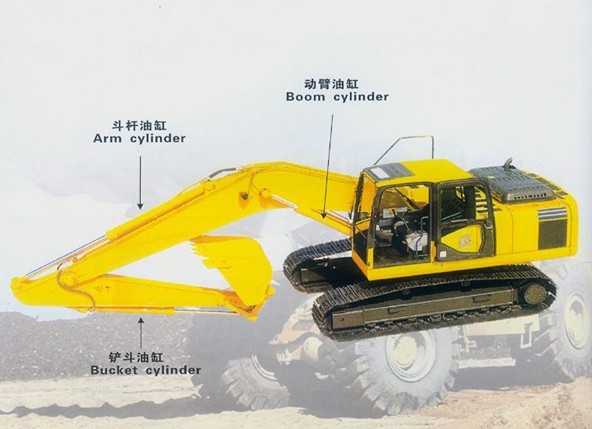
An excavator typically consists of several hydraulic cylinders that enable the machine to perform various functions. Here are the different types of cylinders commonly found on an excavator:

Boom Cylinder: The boom cylinder is connected to the boom and enables the vertical movement of the boom. It allows the excavator to raise and lower the boom for digging, lifting, and reaching different heights.

Arm Cylinder: The arm cylinder is attached to the arm or stick of the excavator. It controls the extension and retraction of the arm, allowing the excavator to reach forward and pull back during digging operations.

Bucket Cylinder: The bucket cylinder is responsible for operating the excavator's bucket. It controls the opening and closing of the bucket jaws or the tilt movement of the bucket. This cylinder allows the operator to dig, scoop, and release materials.

Swing Cylinder: The swing cylinder enables the rotation of the upper structure of the excavator. It allows the excavator to swing or rotate horizontally, typically up to 360 degrees, allowing the operator to position the machine in different directions without having to move the tracks.

Track or Travel Cylinder: Excavators equipped with crawler tracks have track cylinders that control the movement of the machine. These cylinders extend and retract to move the tracks, enabling the excavator to navigate across different terrains, change direction, and adjust its position.

These cylinders work in conjunction with the excavator's hydraulic system, which uses hydraulic fluid to transmit power and control the movements of the machine. By extending and retracting these cylinders, the excavator can perform a wide range of digging, lifting, swinging, and traveling actions, making it a versatile and powerful piece of equipment for construction and excavation projects.

china excavator hydraulic cylinder

...